Namibia
The definition of aweinspiring Africa
Summary
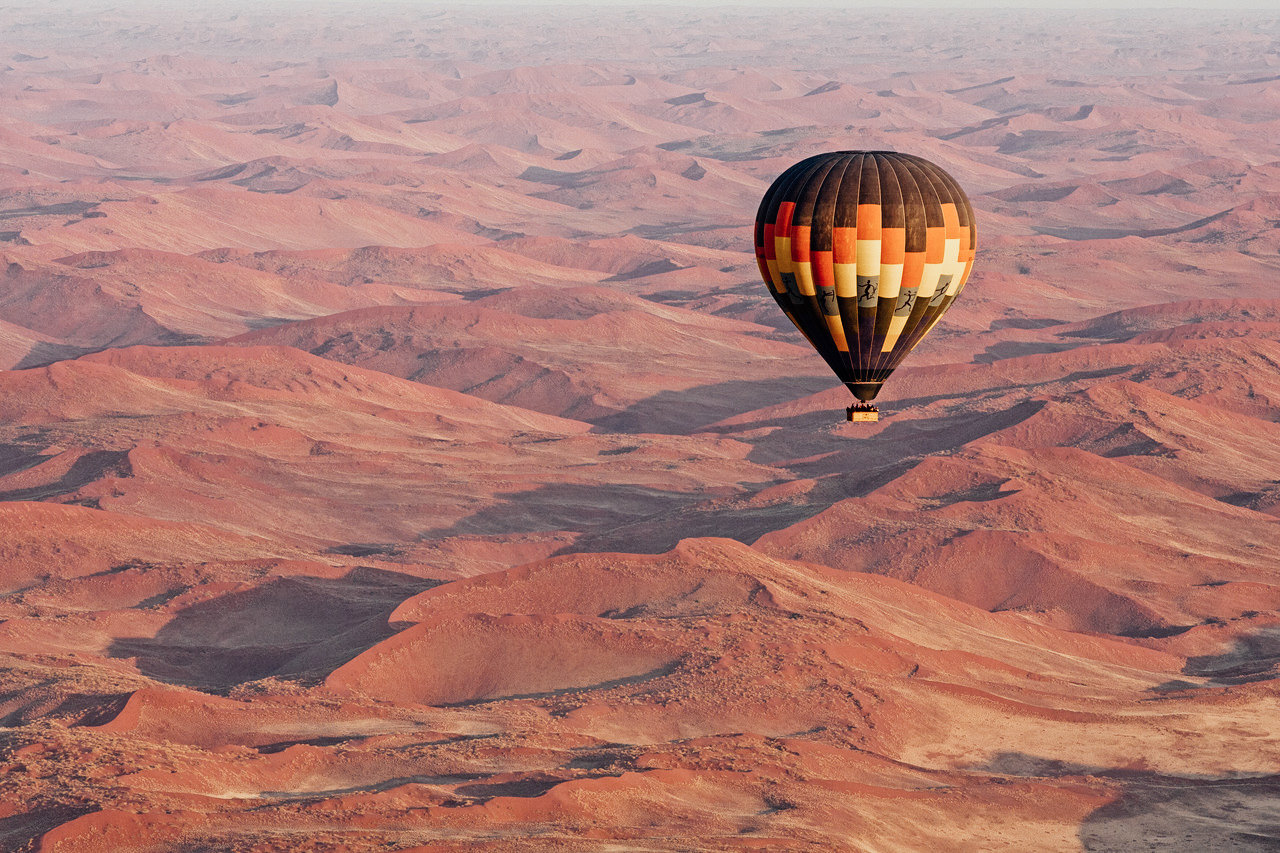
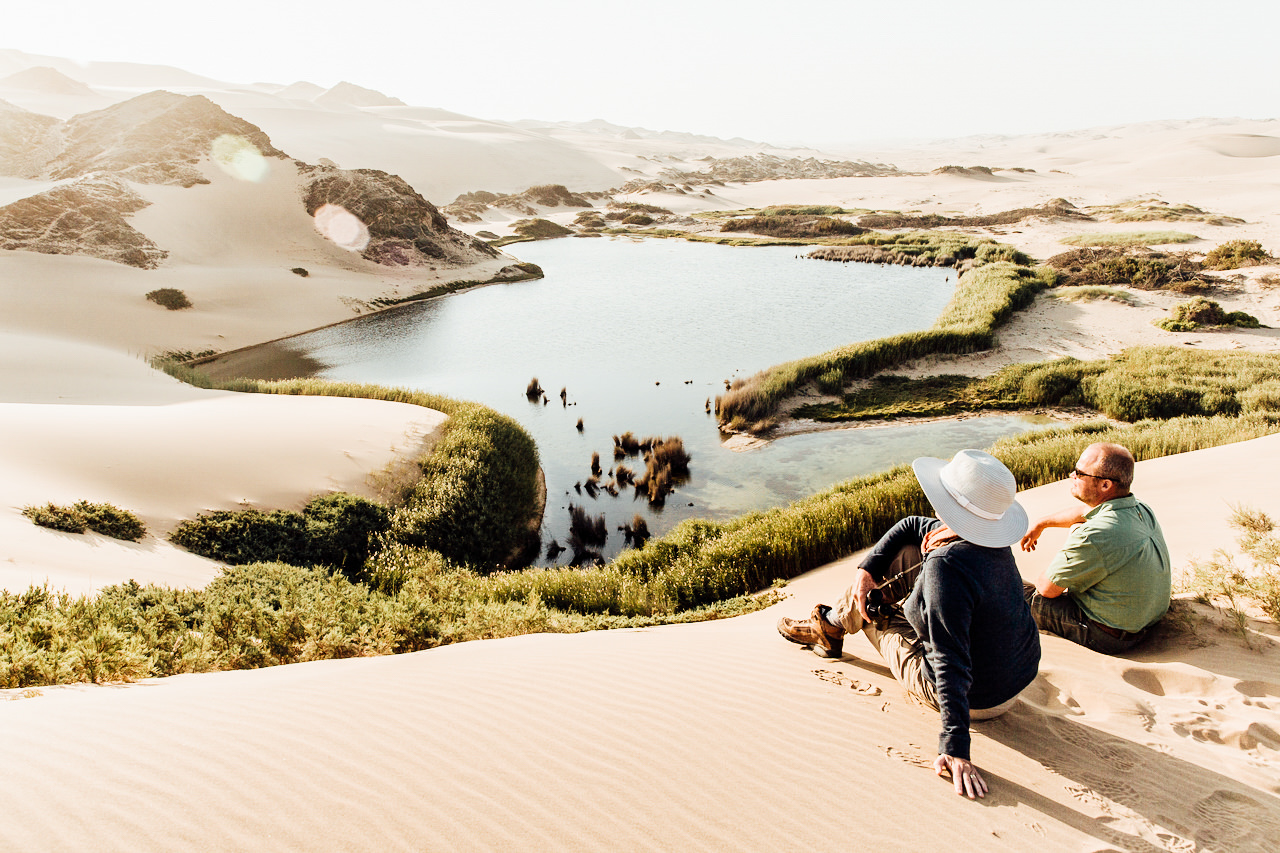
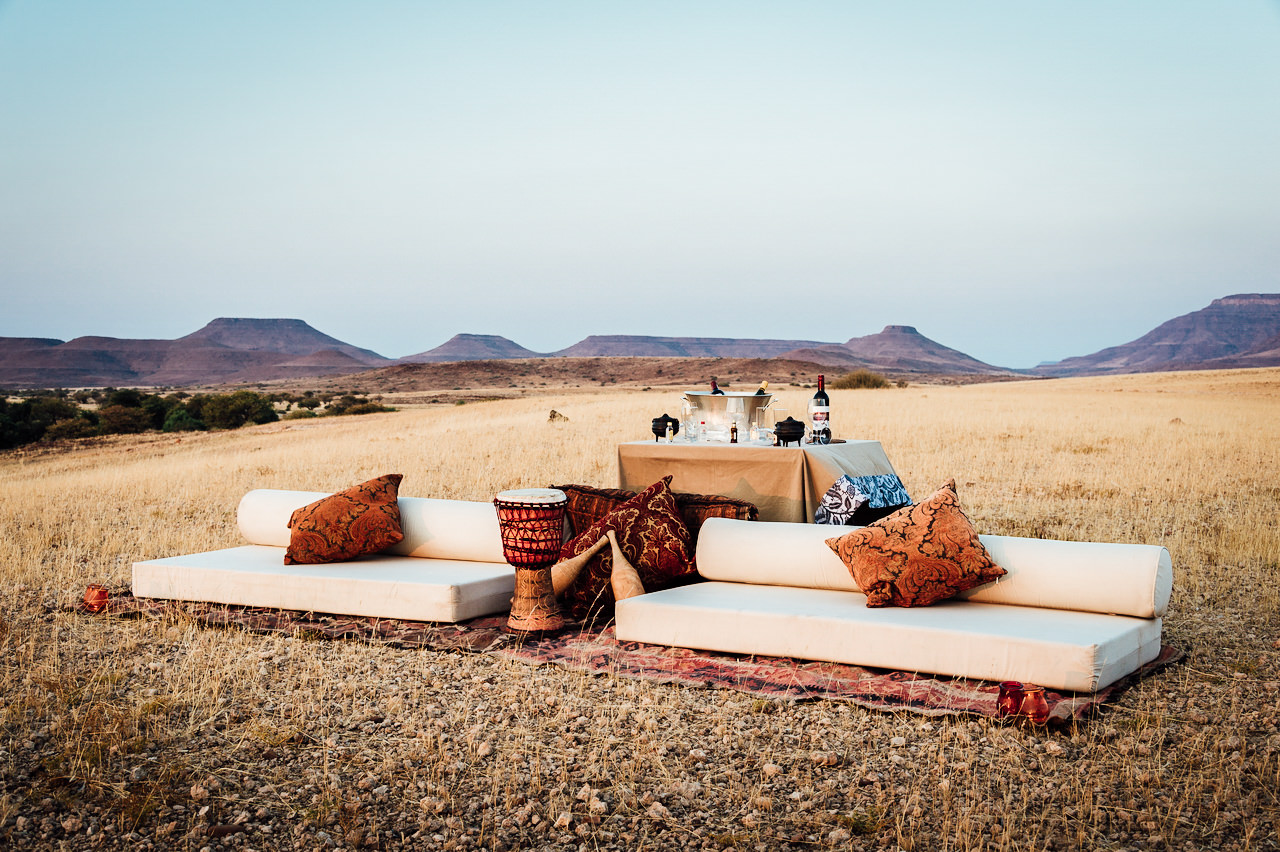
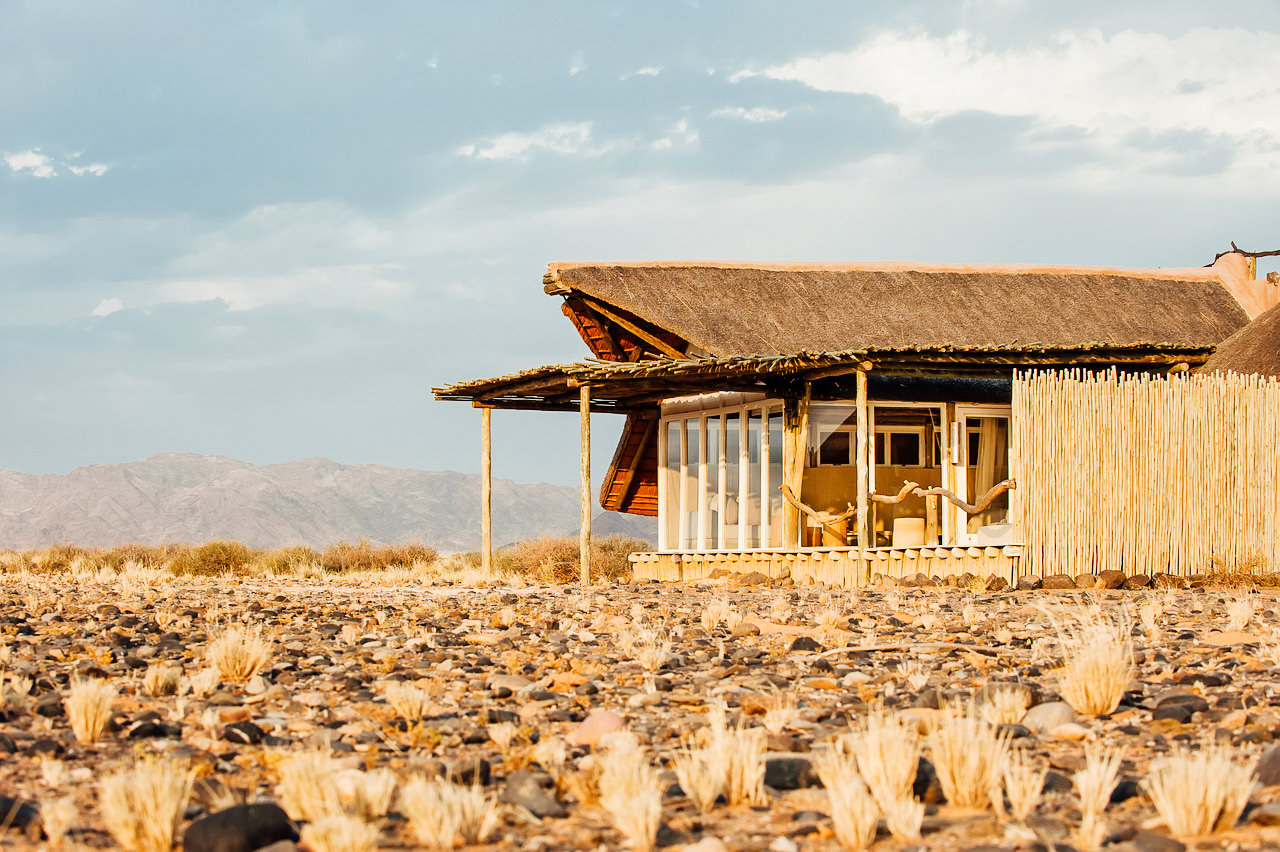
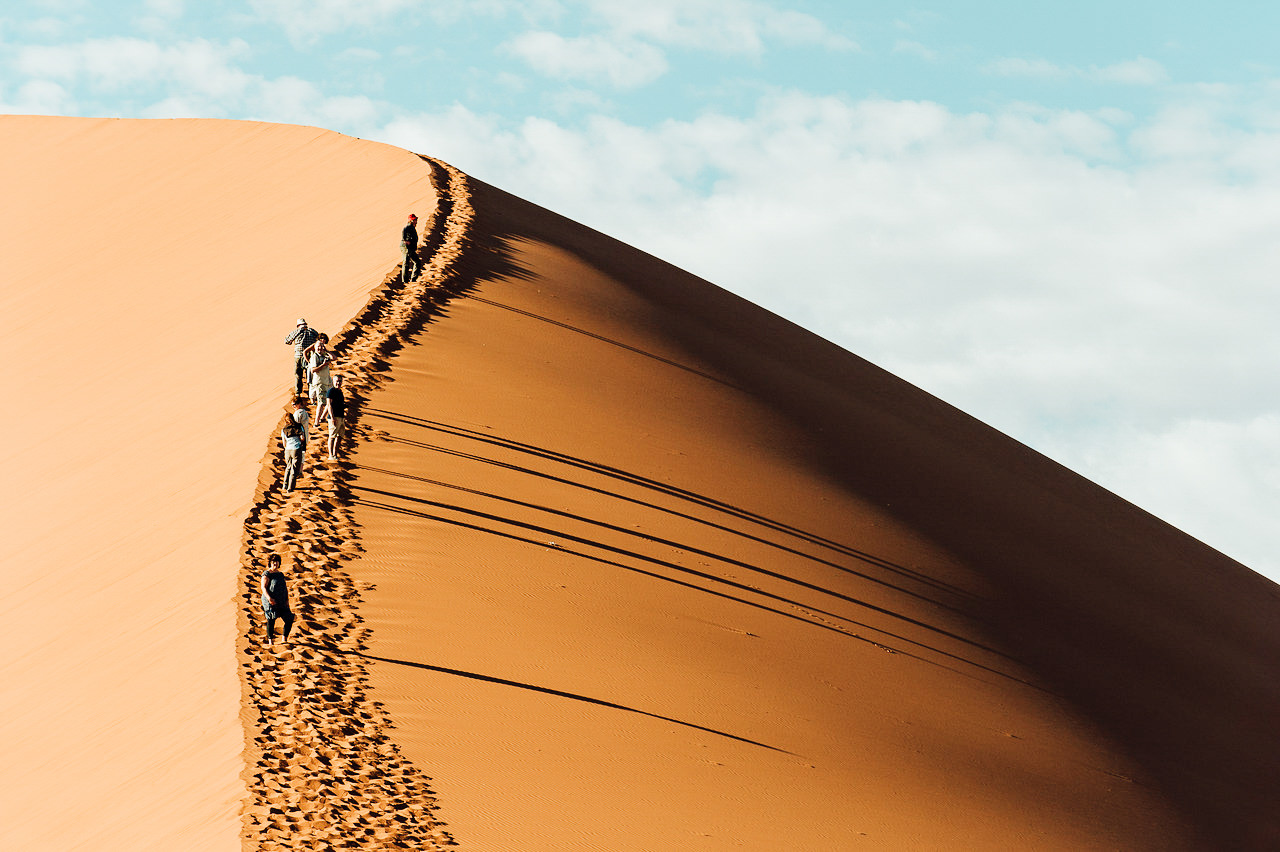
When travelling to Namibia you can be forgiven for thinking you’ve arrived on another planet. Namibia is a country defined by its landscape, where the red sands of the world’s oldest desert roll out in enormous undulating dunes until they meet the crashing waters of the Atlantic Ocean. Dry lakebeds, soaring red sand dunes, skeleton forests and desolate stretches of Namibian coast make this country both beautiful and forbidding.
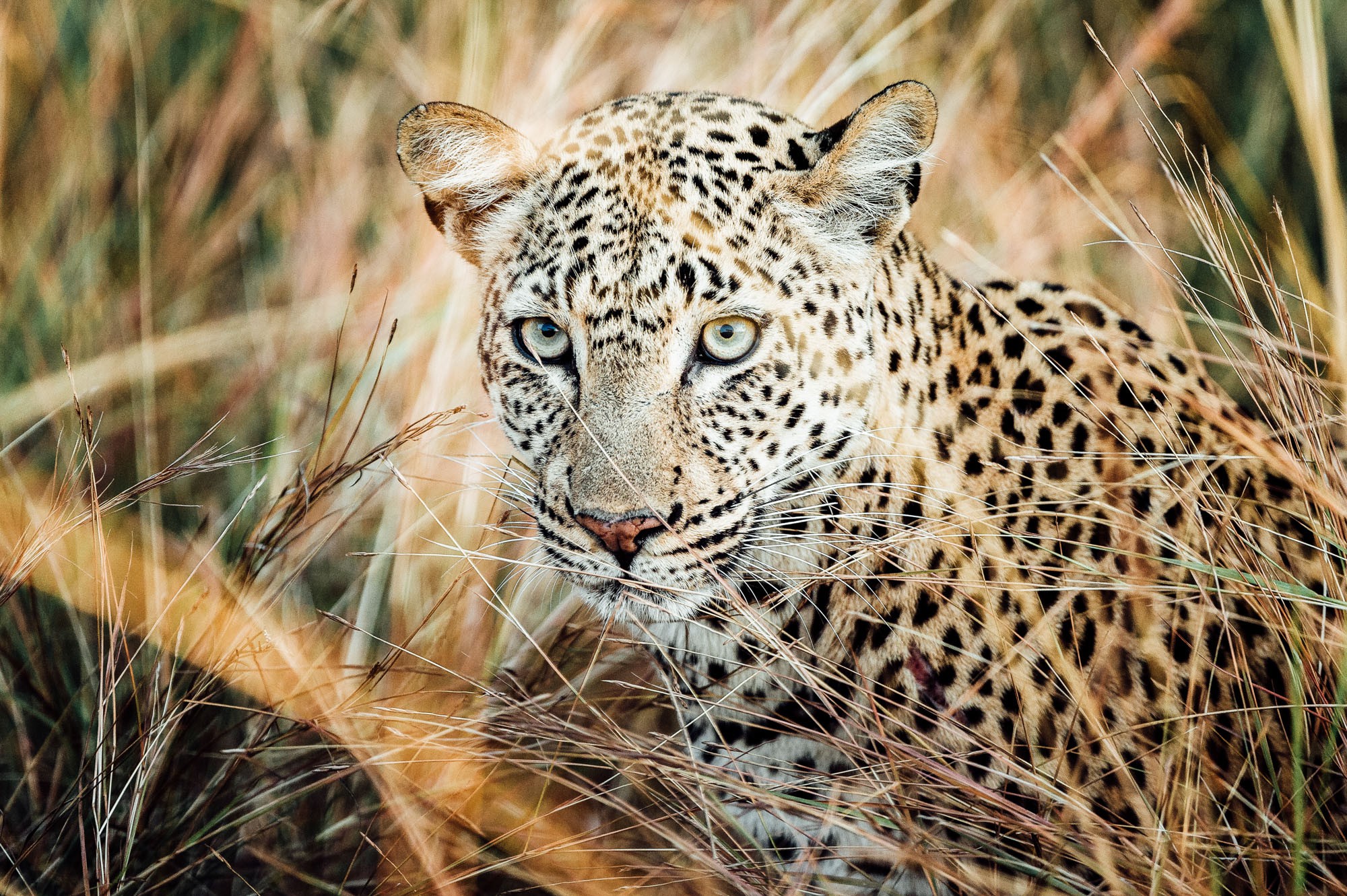
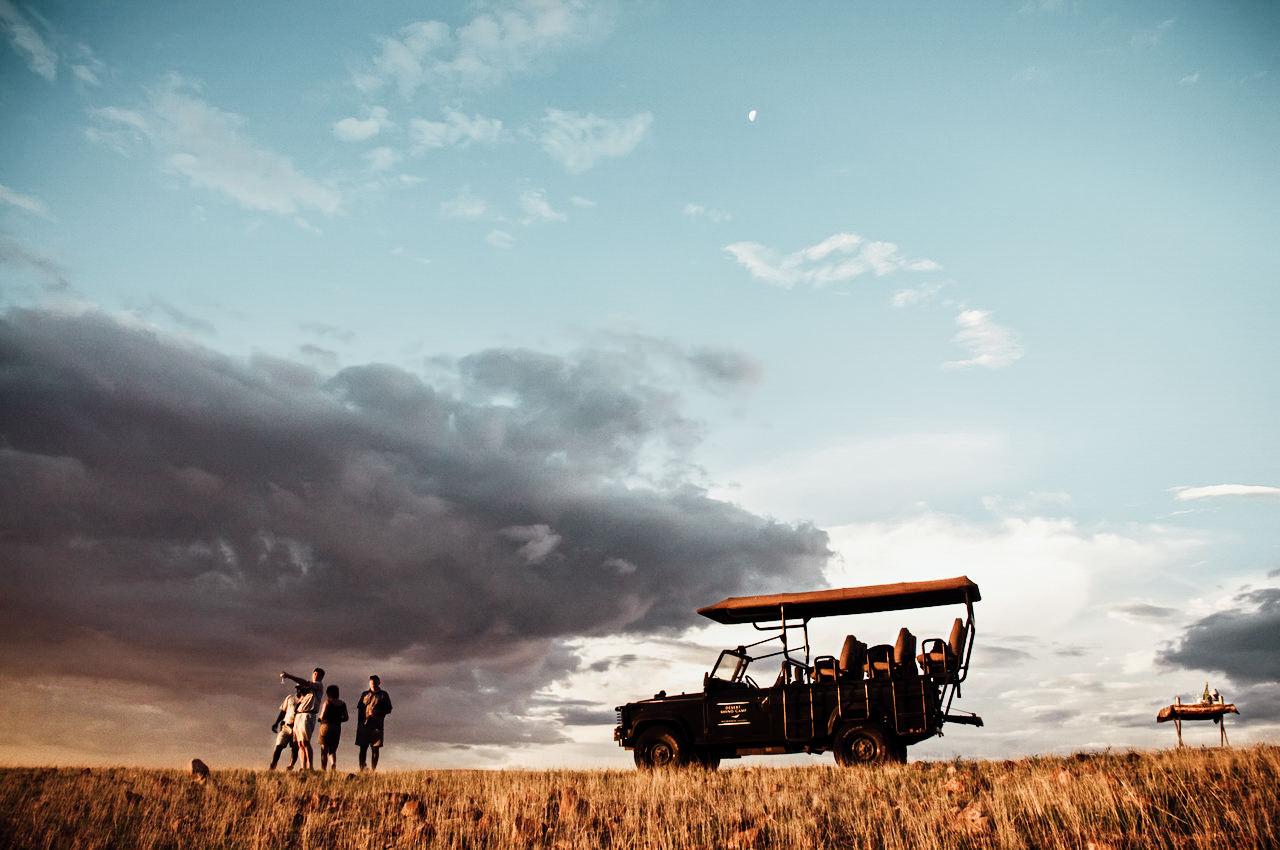
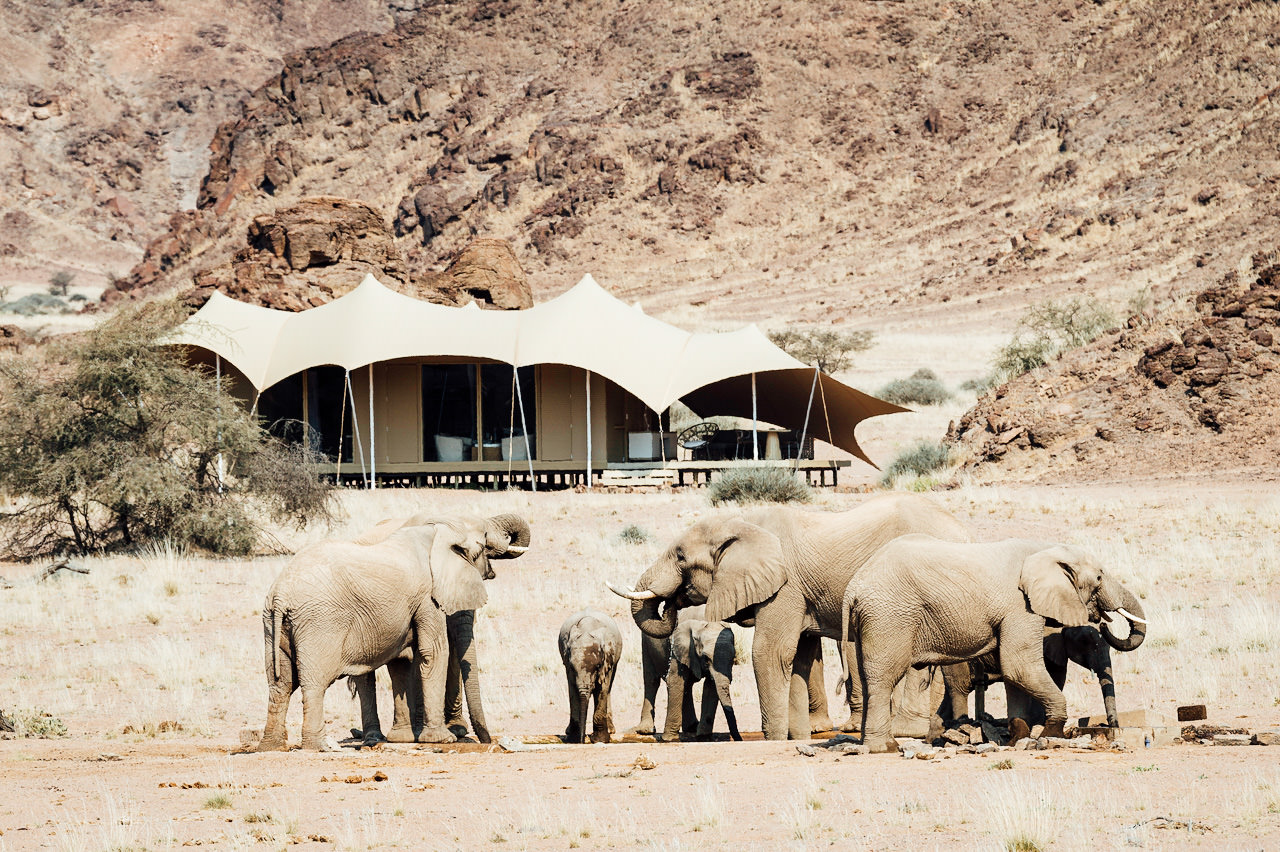
For safari, Etosha National Park is one of Africa’s greatest wildlife havens covering more than 22,000sq km. In the dry season head to a watering hole to see elephant, giraffe, wildebeest & springbok up close and the rainy season is a birdwatchers paradise. The unique landscapes of Namibia will imprint themselves onto your memory forever.
Highlights
- Walk among the bones of hundreds of shipwrecks that lie along the famous ship graveyard of the Skeleton Coast.
- Marvel at the huge red sand dunes of Sossusvlei at sunrise as they absorb the light and seem to glow from within.
- Experience fantastic wildlife viewing in Etosha National Park, which is especially good for seeing giraffes.
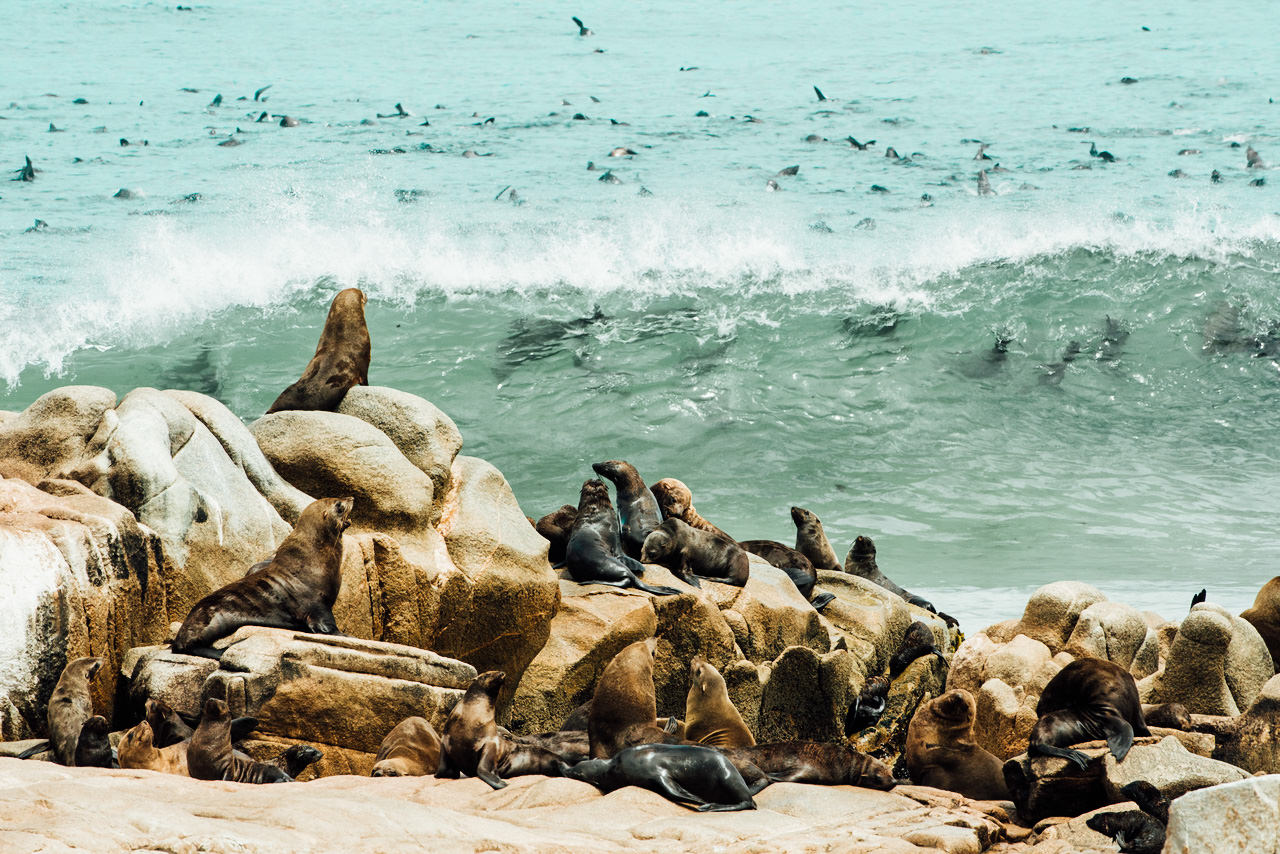
- Be amazed by the cacophony made by a colony of more than 200,000 Cape fur seals at Cape Cross.
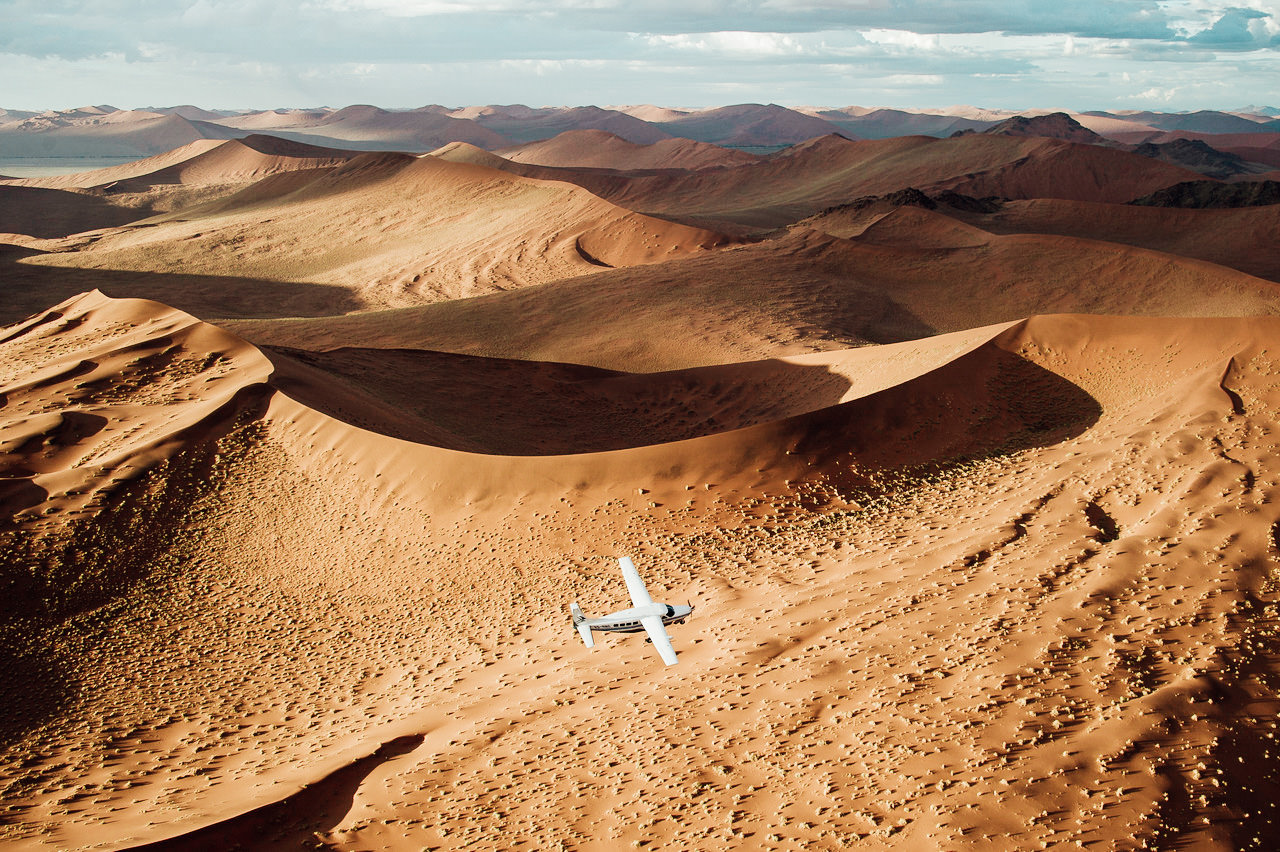
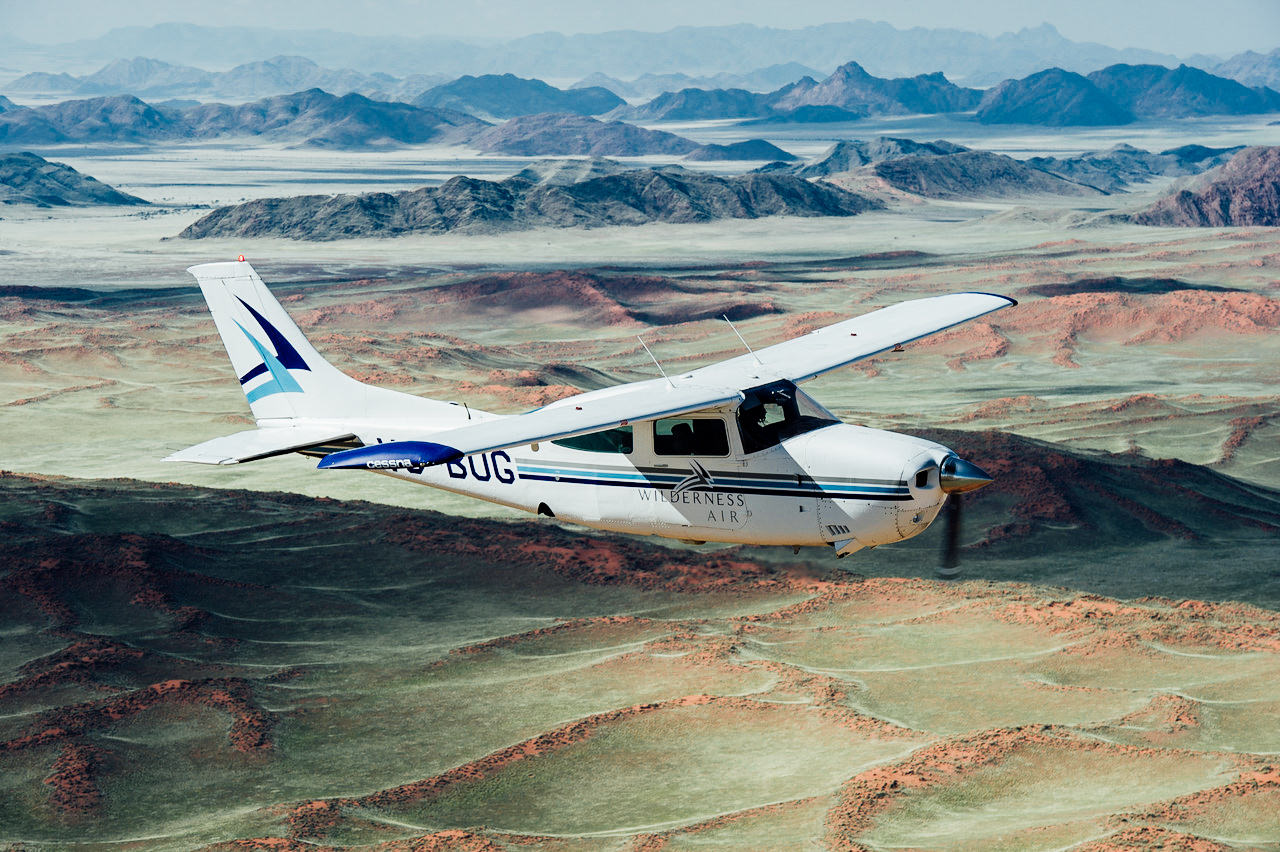
- Take to the air and discover the most remote, inaccessible regions of this vast country on a flying safari.
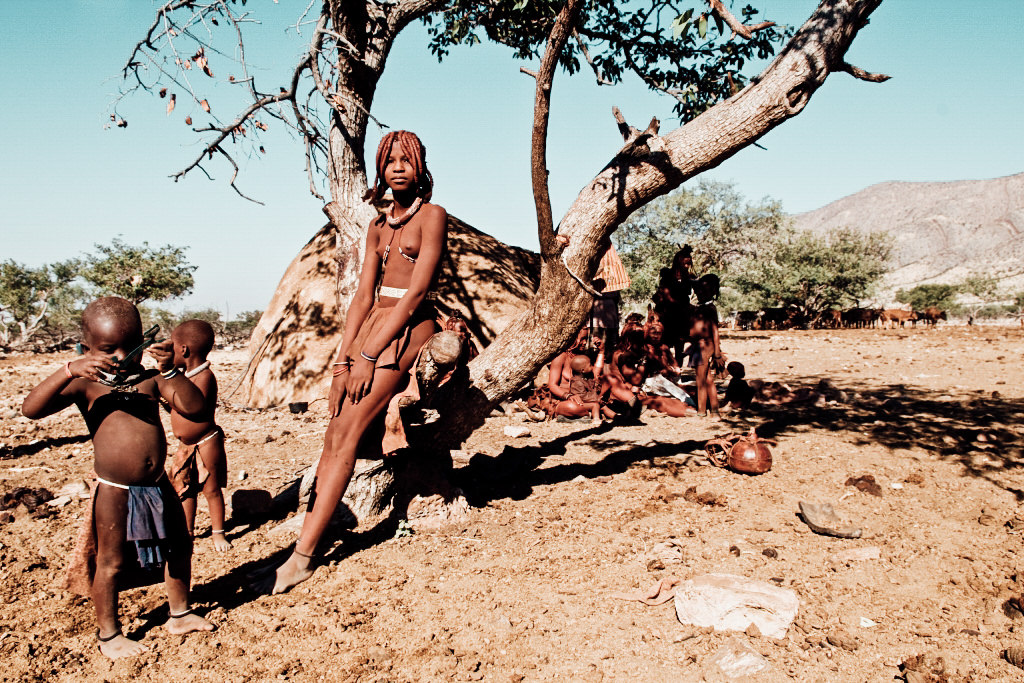
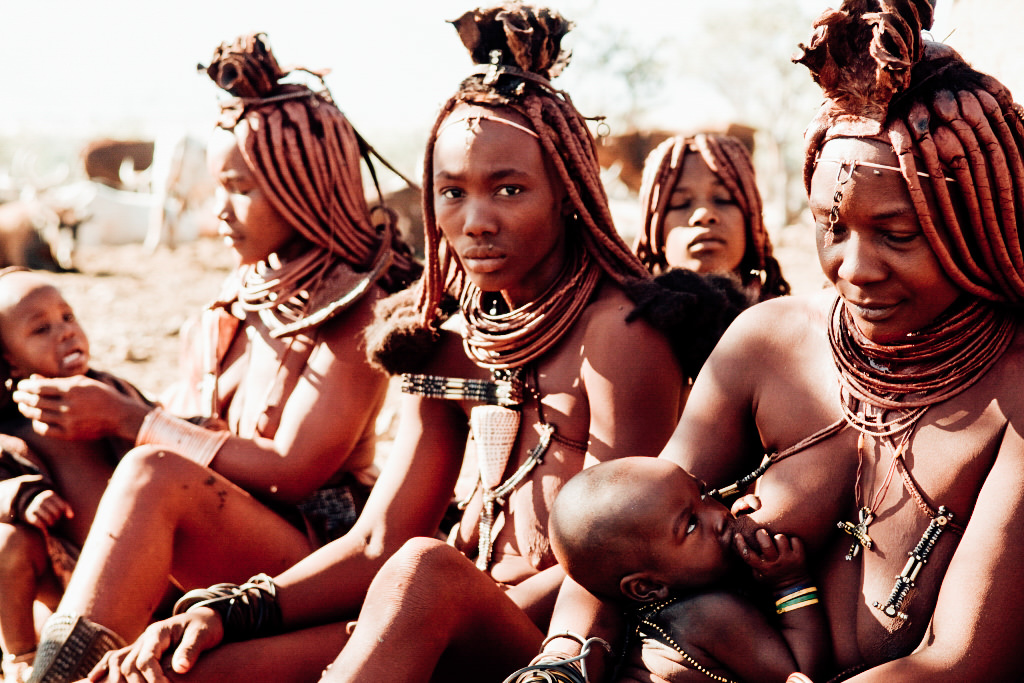
- Visit the local Himba Tribe who only reside in Namibia.
- In Namibia you’ll travel with absolute ease in a well developed, modern country that is very safe for travellers.
$USD 1,600-2,500 Per person, per day
General inclusions: safari camps or hotels, safari flights, game drives, ground transfers, guided excursions, most meals, park fees. Seasonality affects the price of accommodation and travelling in low season may reduce the price. Single supplements may also apply.
This emptiness and apparent simplicity is the glory of Namibia
Paul Theroux
When to travel
Namibia is one of the world’s sunniest and driest countries so whenever you visit you’ll be greeted with clear skies. Spot game clustered around waterholes in the dry season, from April to October. And be sure to rug up as the temperature at night can fall below freezing. Travel in the wet season from January to March to see the country burst into life with lush green foliage and a carpet of desert wildflowers. See monthly average temperatures and rainfall below for the capital of Namibia, Windhoek. Please note that each countries geographic terrain varies and therefore so does the weather. Talk to us to find out the best time to visit specific destinations within Namibia.
- 30°c
- 25°c
- 20°c
- 15°c
- 10°c
- 5°c
- 0°c
- 80 mm
- 64 mm
- 48 mm
- 32 mm
- 16 mm
- 0 mm
- Jan
- Feb
- Mar
- Apr
- May
- Jun
- Jul
- Aug
- Sept
- Oct
- Nov
- Dec
- Best game viewing
FAQ
1. How do I get to & around Namibia?
Catch a connection from South Africa or Botswana or fly with an overnight stopover in Doha on Qatar Airways. Most of the country is accessible by vehicle with limited local regional flights. Self-driving is an option in Namibia if you want to take your time exploring the incredible landscape. You can also catch charter flights to get around and view the impressive landscapes below.
2. How long should I spend in Namibia?
The highlights are quite a distance apart. Allow up to 10 days to explore the majority of Namibia including a safari at Etosha National Park and a visit to Skeleton Coast. It’s a great country to add onto your South African holiday for something out of the ordinary.
3. Will Namibia suit my travel style?
Namibia is a very interesting place to travel to. It has extraordinary landscapes and attractions such as the Skeleton Coast and the sand dunes of the Namib Desert. It’s is an incredible destination for anyone looking for something different. Photographers, honeymooners and families love Namibia for it’s out of this world scenery and amazing landscapes. You’ll also find unique wildlife that have adapted to this environment.
4. What attractions and experiences can I find in Namibia?
While you will find incredible wildlife don’t visit Namibia exclusively for that reason. Here you will however find the breathtaking Skeleton Coast, Sossusvlei dunes, Cape Cross Seal Colony and the local Himba Tribe. You’ll also be able to experience the landscape by horseback or an exclusive flying safari.
5. What is the overall vibe of Namibia?
You can travel in Namibia with absolute ease in a well-developed, modern country that is very safe for travellers. Namibians have a pretty chilled out way of going about life and are friendly and open with travellers. Bordering South Africa, you will find many similarities with locals here so Namibia is an ideal next destination after visiting South Africa.
6. What essential information should I know before visiting Namibia?
Visa: Australian citizens are not required to obtain Visas to travel to Namibia for up to 90 days. All visitors must be in possession of a passport that is valid for at least 6 months beyond intended departure date from Namibia and valid return ticket.
Currency: The Namibian Dollar is the local currency, however we recommend travelling with US dollars, especially for tipping.
Health: Anti-malarial’s are required. We recommend visiting your travel doctor for the latest information on travel vaccinations.
Language: English is an official language and you will hear Afrikaans, German and English are all widely spoken.
Are you ready for the journey of a lifetime?
Talk to a Travel Designer